Gia Carangi — Beauty That Burned Too Bright
The fashion world has always been drawn to fast stories. Even more so to the ones that end too soon.
Gia Carangi was exactly that kind of story.
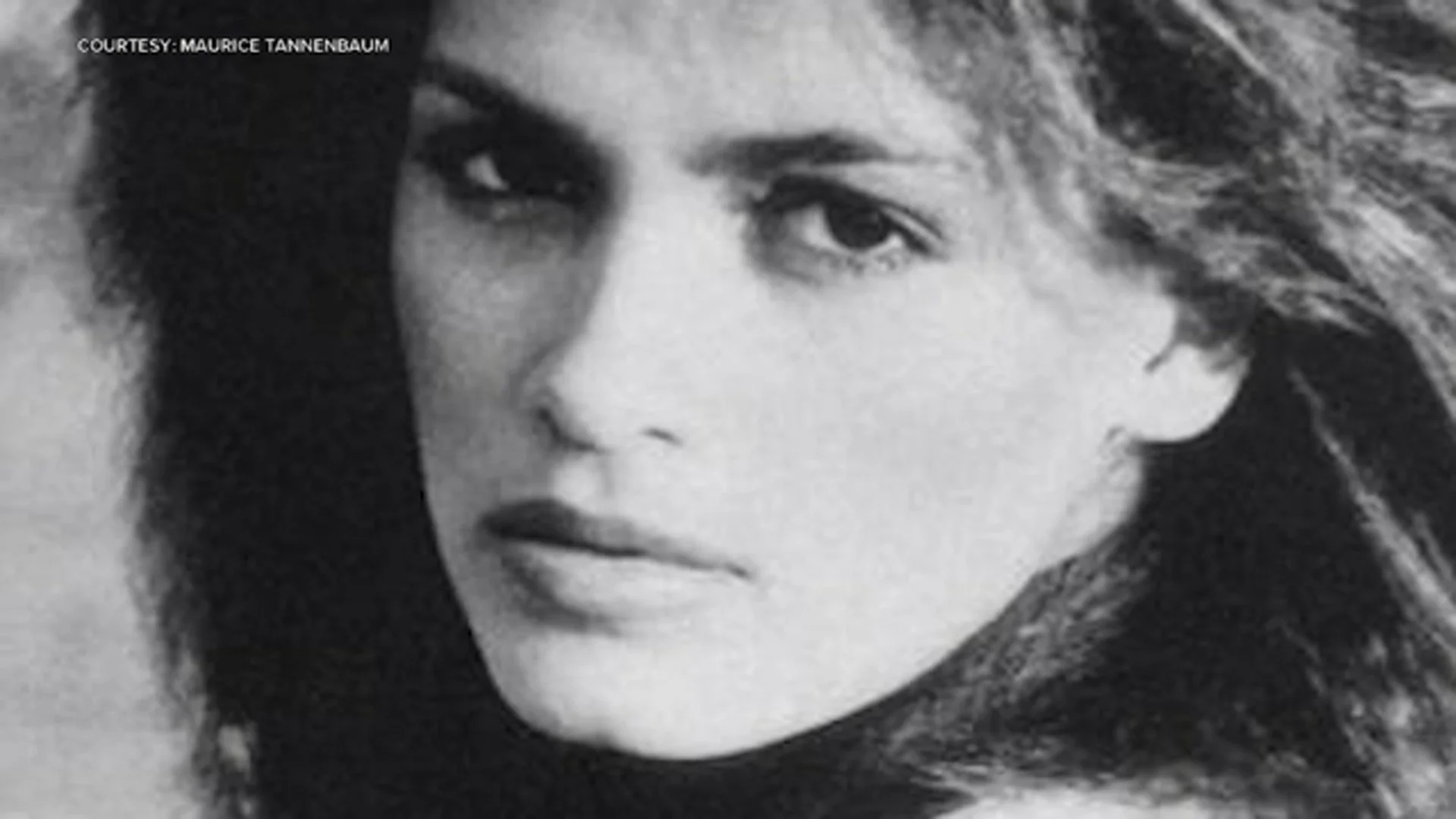
At the end of the 1970s, she appeared almost out of nowhere. She wasn’t the typical polished beauty the industry was used to. Instead, she had something harder to define — rawness, intensity, and a gaze that felt almost electric. The camera didn’t just like her. It was obsessed with her.
In a very short time, Gia became one of the most sought-after models in the world. Magazine covers, major campaigns, high-fashion shoots — everything came quickly. Too quickly. Fame didn’t just arrive; it flooded in.
But the fashion world is not only about light. It also casts long shadows once the flashes go off.
After the death of her mentor, Gia’s life began to unravel. At first, it was subtle — missed appointments, emotional instability, growing distance. Then it escalated. Heroin addiction entered her life, and what may have started as escape soon became control.
Photo shoots collapsed. She disappeared mid-production. Returned unreliable, unpredictable, and increasingly difficult to work with. The industry that had once elevated her to icon status slowly turned its back.
Fashion moves on. It always does.
By the early 1980s, her career was effectively over. From one of the most promising faces in the world, she became someone the industry no longer wanted to deal with — or even talk about.
And then came the silence.
Addiction took over. Her life moved into the margins — unstable housing, isolation, survival. Attempts to recover came and went, but each time something pulled her back.
In the mid-1980s, Gia was diagnosed with HIV, most likely contracted through contaminated needles. At the time, it was essentially a death sentence.
She died in 1986 at the age of 26.
Perhaps the most haunting part of her story is not only how she lived, but how she was forgotten. At her funeral, almost no one from the fashion industry attended — the same industry that had once built its image around her face.
As if she had never been there.