The Birth of Modeling
Long before fashion magazines, Instagram campaigns, and international supermodels, clothing was presented in a far quieter and more intimate way. Designers would often show garments on mannequins, assistants, or even family members. The idea of modeling as a profession simply did not exist yet.
That began to change in the middle of the 19th century.
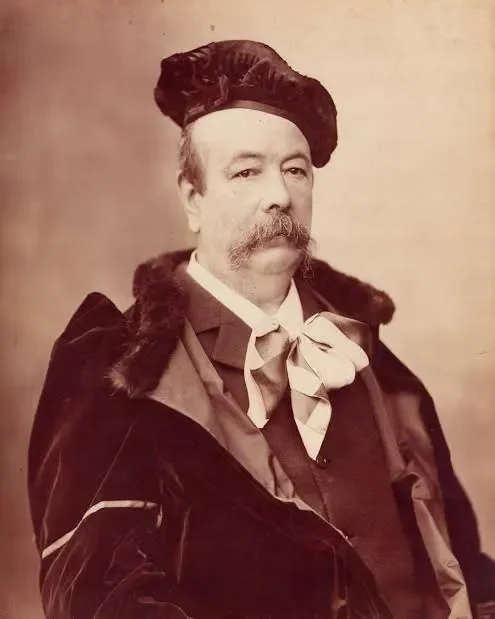
Charles Frederick Worth
One of the key figures behind this transformation was Charles Frederick Worth, often considered the father of haute couture. Working in Paris during the 1850s and 1860s, Worth introduced something revolutionary for his time — real women presenting clothing to clients instead of static displays.
The first and most famous of these women was his wife, Marie Vernet Worth. Rather than simply standing beside the garments, she wore them, moved in them, and helped clients imagine how the dresses would truly look in motion and in life. In many ways, she became what we would now recognize as the world’s first professional fashion model.
As the fashion industry evolved, so did the role of the model. By the late 19th century, major fashion houses had begun employing women specifically to present collections. Early runway presentations appeared, and fashion slowly became more theatrical and visual.
The rise of photography in the early 20th century changed everything once again. Fashion was no longer limited to salons in Paris — images could travel across countries and eventually across the world. Modeling transformed from a supporting role into a profession of its own.
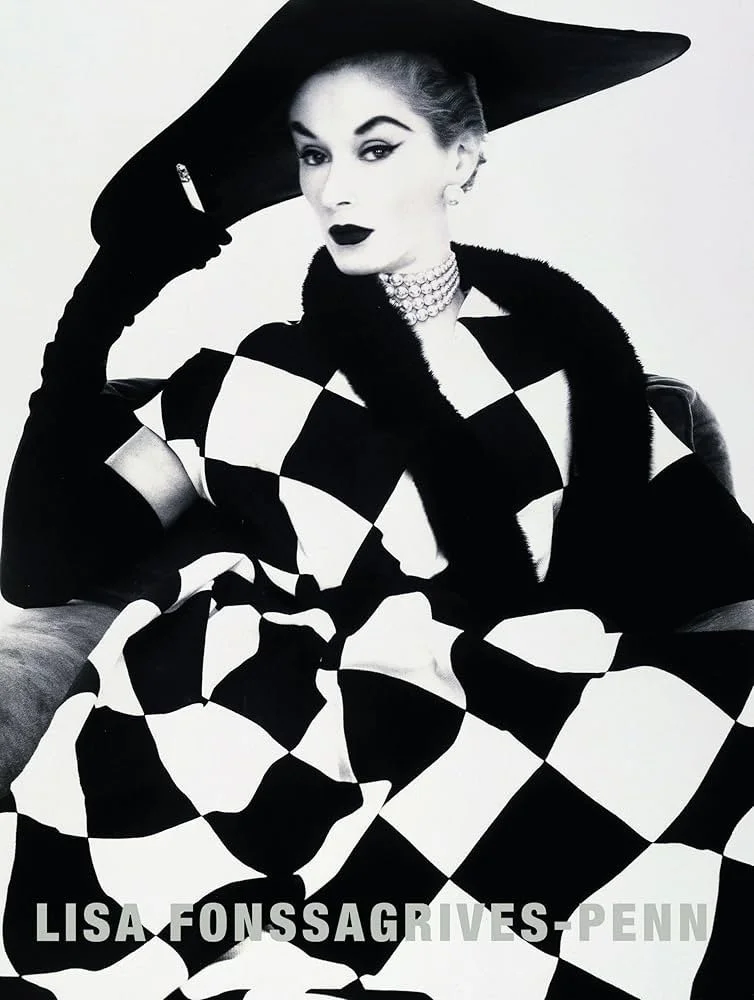
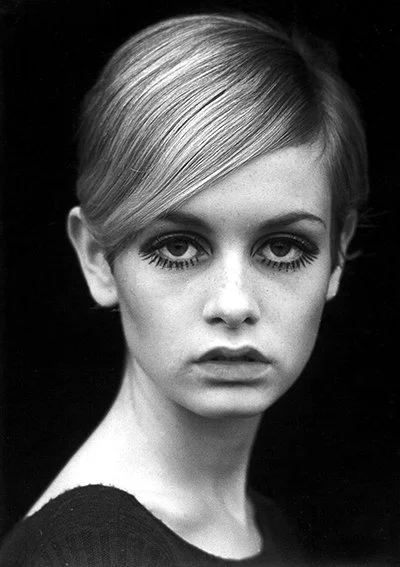
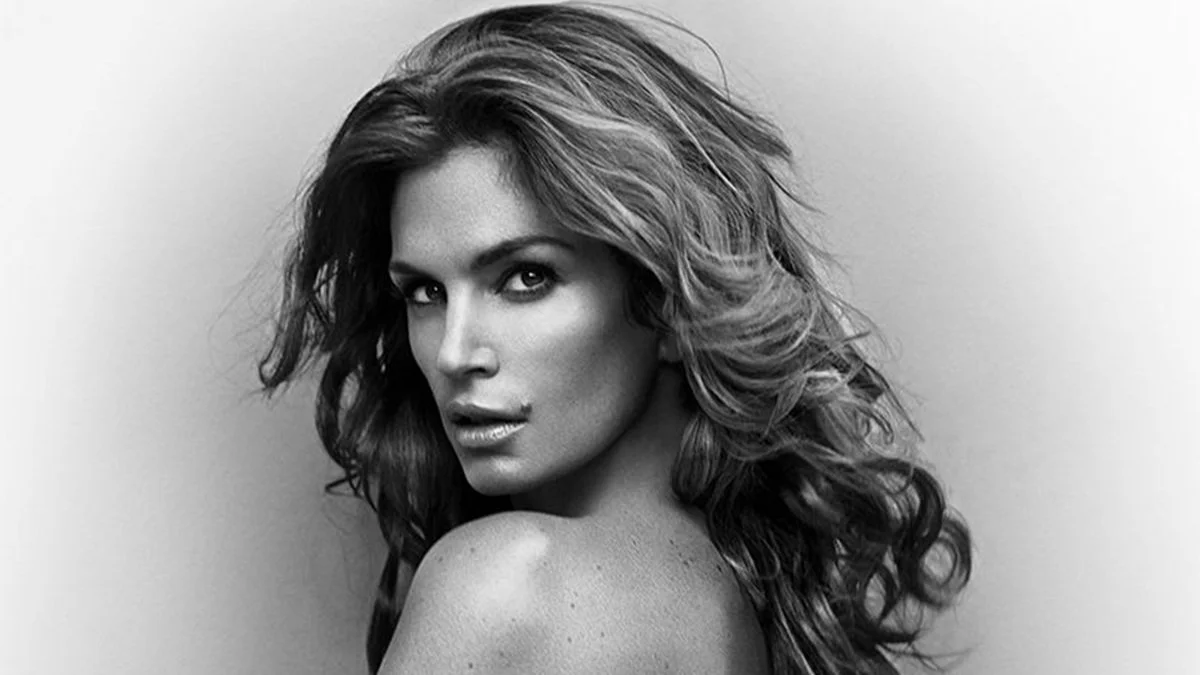
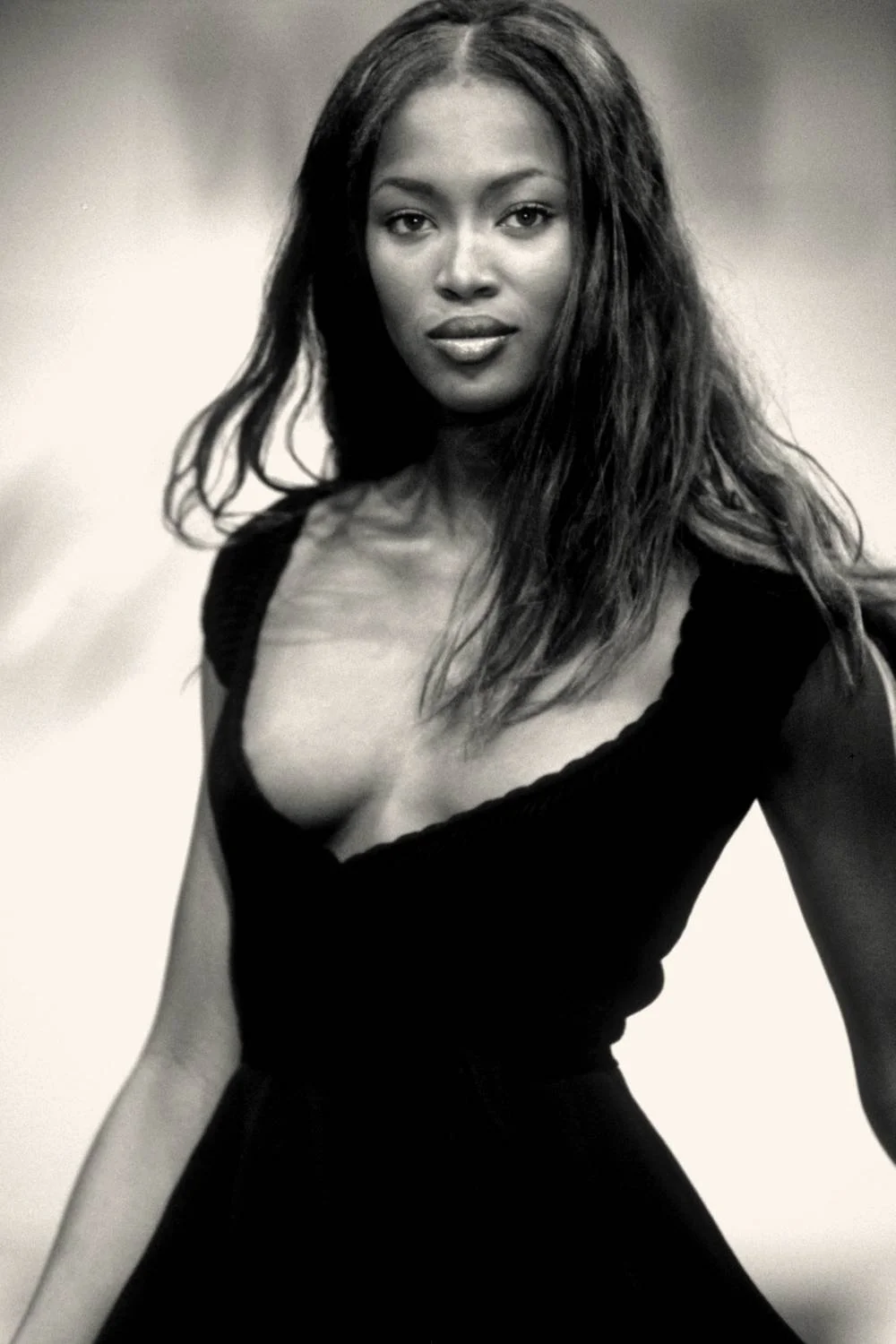
By the 1940s and 1950s, figures like Lisa Fonssagrives helped define the idea of the modern fashion model. Later decades would bring globally recognized names such as Twiggy, Naomi Campbell, and Cindy Crawford — women whose presence shaped not only fashion, but popular culture itself.
What is fascinating is that early modeling was not always viewed as respectable. In many social circles, publicly displaying clothing and posing for artists or photographers carried controversy and stigma. Yet those early women unknowingly helped create an entirely new visual language — one that still defines fashion photography today.
Modern modeling may now be associated with global campaigns, luxury brands, and social media influence, but its origins were surprisingly human: a designer, a dress, and a woman bringing fabric to life through movement and presence.